Why Construction Sites are Primary Targets for Theft
Construction sites remain high-risk targets because they combine valuable assets, open layouts, and inconsistent after-hours supervision. Prevention starts with early detection and active response.
Construction sites are among the most vulnerable environments in commercial security. Expensive equipment, unfinished boundaries, temporary lighting, changing crews, and long overnight gaps create ideal conditions for theft and unauthorized access. When incidents happen, the impact goes far beyond the value of a stolen item. Projects slow down, schedules slip, insurance pressure rises, and teams lose momentum.
That is why construction security needs to focus on prevention rather than simple documentation. A camera that records an intruder is useful. A system that detects the threat quickly, verifies it, and helps stop the event before equipment is taken is far more valuable.
Why Construction Sites Are Easy Targets
Unlike finished commercial buildings, construction sites are dynamic. Layouts change regularly, material placement moves, and access points are not always fixed. This makes consistent supervision difficult, especially outside working hours.
Common vulnerabilities include:
- Open perimeter areas with limited physical barriers
- High-value tools, copper, machinery, and fuel left on site
- Low lighting or blind spots during evenings and weekends
- Remote locations where police or responders may take longer to arrive
Criminals understand these weaknesses. Many theft attempts are opportunistic, but organized repeat activity is also common when a site is perceived as easy to access.
The True Cost of Theft
Theft on a construction site rarely ends with replacement cost alone. Lost tools or machinery can halt work for entire crews. Damaged fencing, cut cabling, or vandalized materials add unexpected repair costs. Project managers then face deadline pressure, subcontractor disruption, and administrative overhead from incident reports and insurance coordination.
Even a single overnight incident can create days of operational delay. That makes prevention a business priority, not just a security line item.
What Effective Prevention Looks Like
Construction security works best when it combines early detection with immediate escalation. AI-enabled monitoring can watch for people, vehicles, and suspicious movement near key access points. When activity is flagged, human operators can verify the threat and respond with the right action, whether that means voice-down warnings, escalation to on-site contacts, or dispatch support.
This model is especially effective because it reduces false alarms while still allowing fast intervention. Teams are not forced to choose between silence and overreaction. They get a more intelligent response process.
Beyond Theft: Safety and Site Oversight
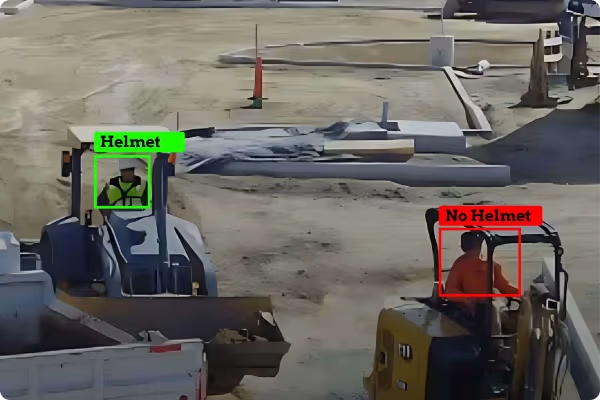
Construction sites also benefit from broader visibility. The same monitoring infrastructure used for intrusion prevention can support hard-hat compliance, after-hours access tracking, equipment usage review, and general site oversight. That creates more value from the system and gives project teams better control over the environment.
Instead of relying on occasional patrols or next-day reviews, managers gain a live picture of what is happening across the site.
Faster Deployment Matters
Construction environments move quickly, so security systems need to keep up. Long, infrastructure-heavy rollouts are often impractical. Flexible AI monitoring solutions and portable surveillance options make more sense because they can adapt as the project changes.
Whether the goal is perimeter protection, theft prevention, safety compliance, or after-hours oversight, the ideal system is one that can be deployed fast and adjusted without slowing the project down.
Final Thought
Construction theft is not just common because assets are valuable. It happens because many sites remain exposed during the hours when no one is watching closely. The businesses that reduce loss most effectively are the ones that move from passive cameras to active monitoring, combining AI detection with human response to stop incidents before they become costly setbacks.
Ready to Protect Your Business?
Join 30,000+ installations worldwide. Get a free site assessment from a VerifAI security specialist today.
Get a Free Assessment